
Free Shipping On Orders $35+. View Offers >

Proudly Packaged in Canada


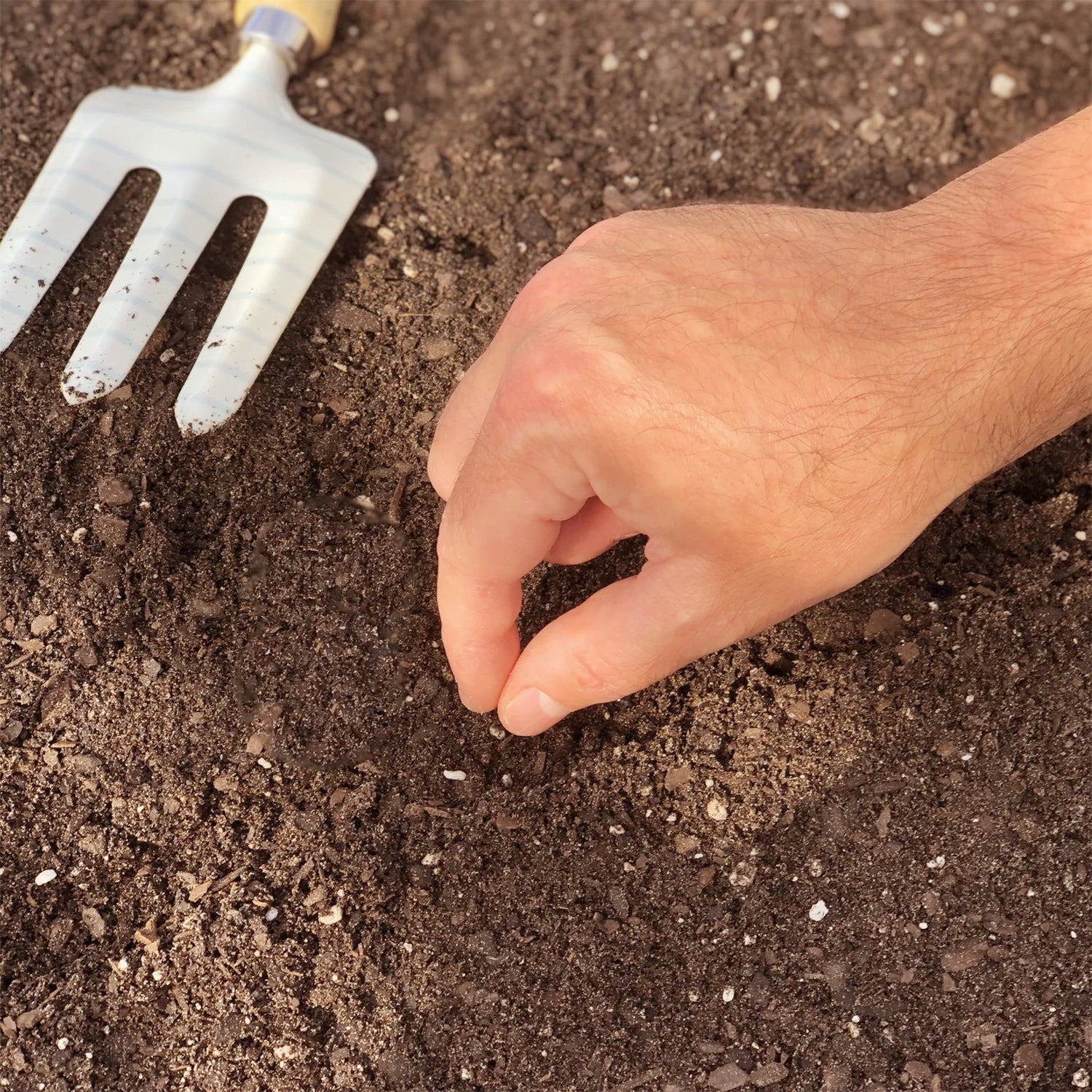
Celery, Utah Seeds
Apium graveolens var. dulce
Regular price
$2.49
Regular price
Sale price
$2.49
Unit price
per
Shipping calculated at checkout.
Earn 3 points for this item with our
rewards program.
Product Information
Garden-grown celery is much more aromatic and flavorful than store-bought celery.
This dependable variety has a compact growing habit with the added bonus of being disease-resistant and slow to bolt.
For the more experienced gardener.
- SKU: 143710
- Common Name: Celery
- Botanical Name: Apium graveolens var. dulce
Growing Information

Safe
for Bees

Grows
Best In:
Full Sun|Partial Shade

Days to
Germination:
20 - 30 days

Water
Needs:
Average 2.5-5 cm (1-2 in.) per week

Days to
Maturity:
90 - 100 days after transplanting - garden
Key Features
- Plant Type: Vegetable
- Plant Lifecycle: Annual (plant every year)
- Seed Type: Open Pollinated
- Fill Weight (grams): 200 mg
- Approximate Seed Count: 350-375
- Characteristics: Attracts bees and butterflies | Frost-senstive
- Planting Method: Direct Sow
- Colour: Green
- Water Needs: Average 2.5-5 cm (1-2 in.) per week
- Landscape Use: Edible Garden
- Resistance: Disease | Slow to bolt
- Flavour: Leafy and earthy
Instructions
Start celery seeds indoors 10 to 12 weeks before the last frost in your area. Follow the seed depth and spacing guidelines indicated below. Once all danger of frost has passed, seedlings should be hardened off before planting in their growing location. Seedlings should be transplanted according to the plant and row spacing directions below. Regularly monitor your plants and ensure that the soil remains moist, but not soggy while they establish themselves in their new environment.
- Planting Depth: 6 mm (1/4in.)
- Seed Spacing: Sow celery seeds roughly 13 mm (1/2 in.) apart in rows, keeping rows approximately 45 cm (18 in.) apart.
- Plant Spacing: 30 cm (12 in.)
- Instructions for Nutrient Care: Apply SUPERThrive once per week. Soak in solution of 1/4 tsp per gal for 15 min. or longer depending on size and type.
Suggestions
Growing Suggestions:
- Celery does not do well in hot weather and this too may affect stalk production and circumference growth. Try putting a milk carton, with the bottom cut out, around plants to shield them from the hot sun.
- Always soak the soil thoroughly when watering because celery has a small, shallow root system. Any water stress during the growing season causes the stalks to become stringy and gives them a strong flavor.
- Celery’s slow growth and small root system does not compete well with weeds. Frequent, shallow cultivation will control weeds and keep the soil surface loose. Because the roots of the celery are very close to the surface, do not cultivate too deeply.
- Plants are ready to use when they are 7 cm (3 in ) or more in diameter. Celery harvested in hot, dry weather may be tough, stringy, and bitter.


You may also like

Join our rewards program today to start saving!

Free Shipping on orders over $35

There are a ton of ways to earn!