





15% Off Indoor Growing Essentials | View All Offers >
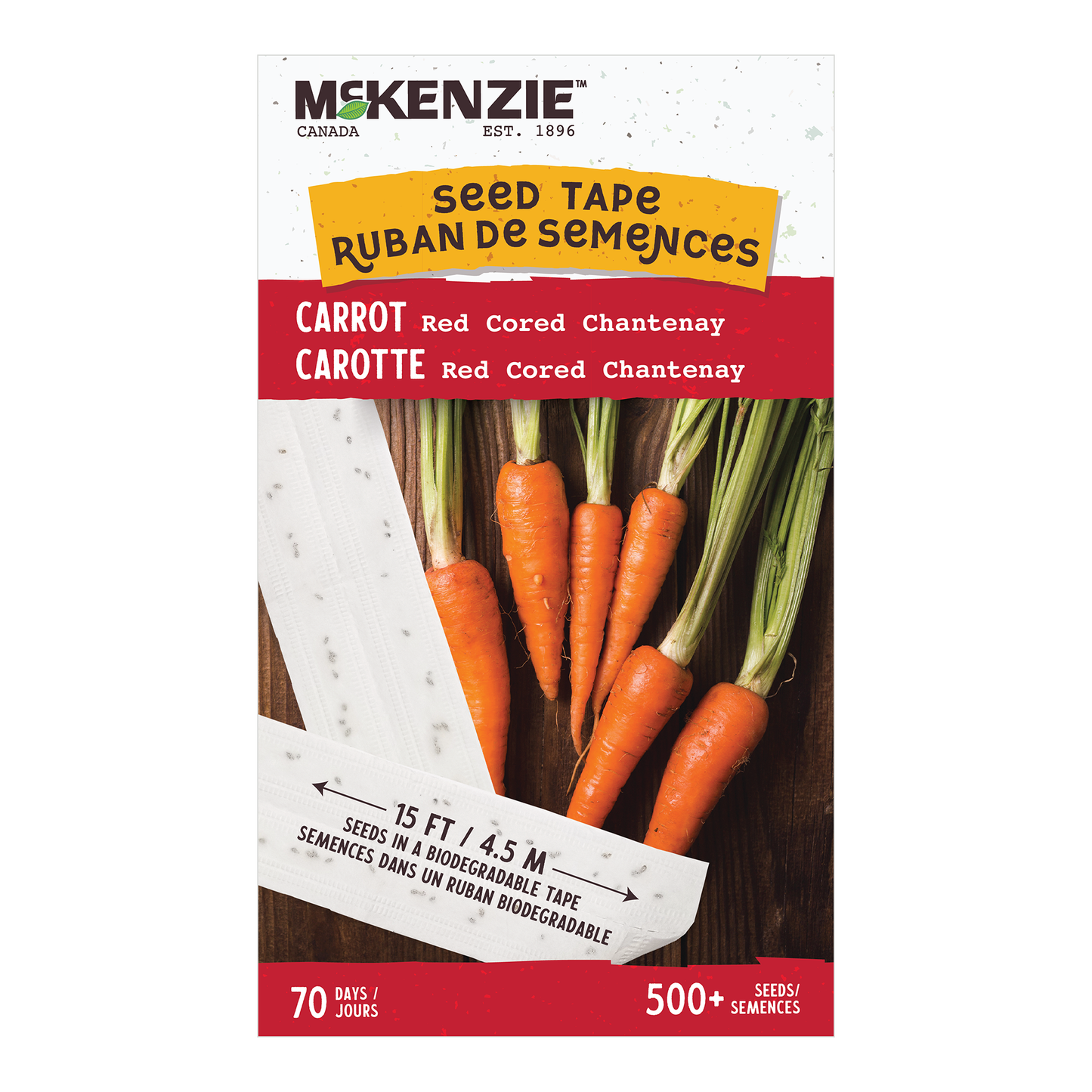
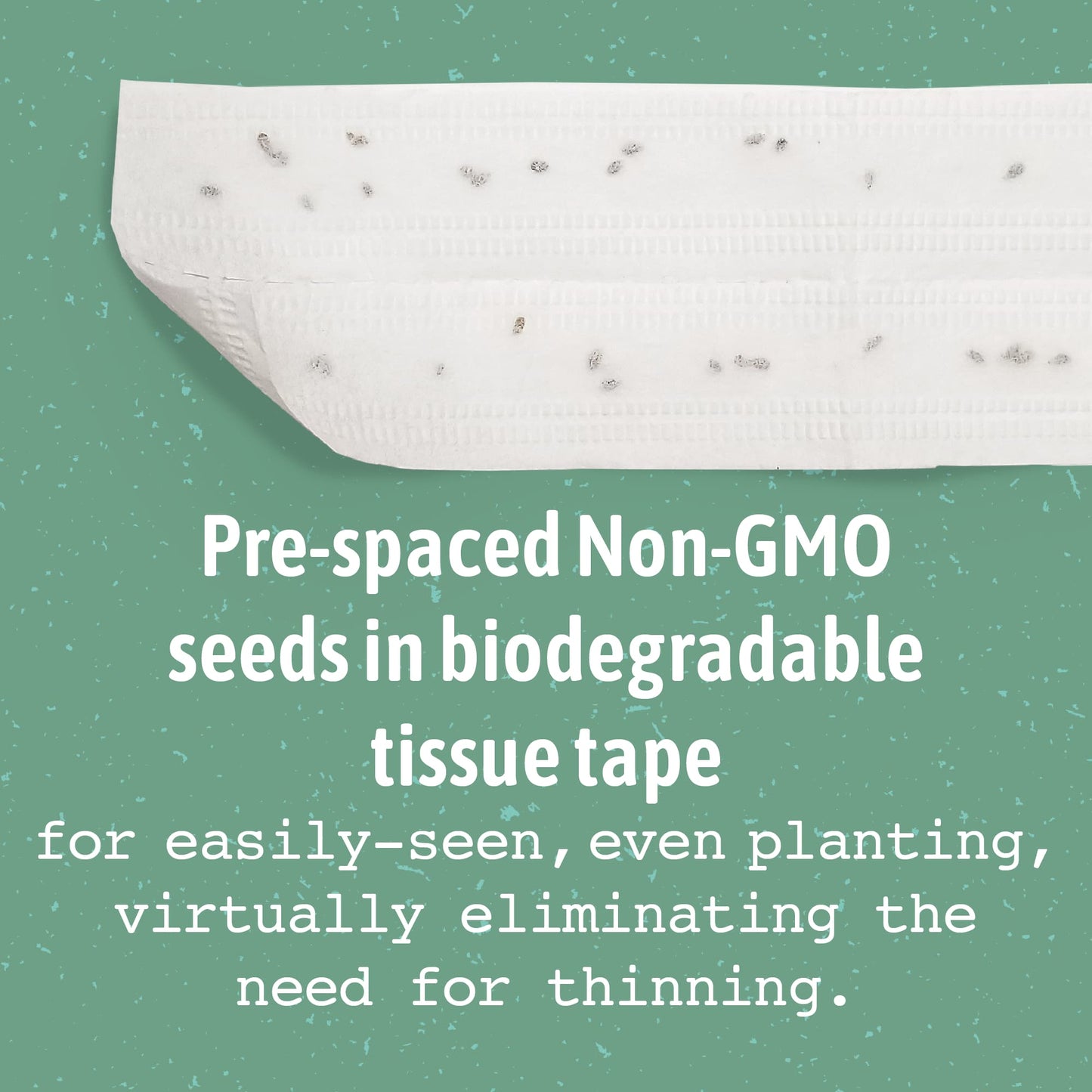
Carrot, Red Cored Chantenay Seed Tape
Earn 4 points for this item with our
rewards program.
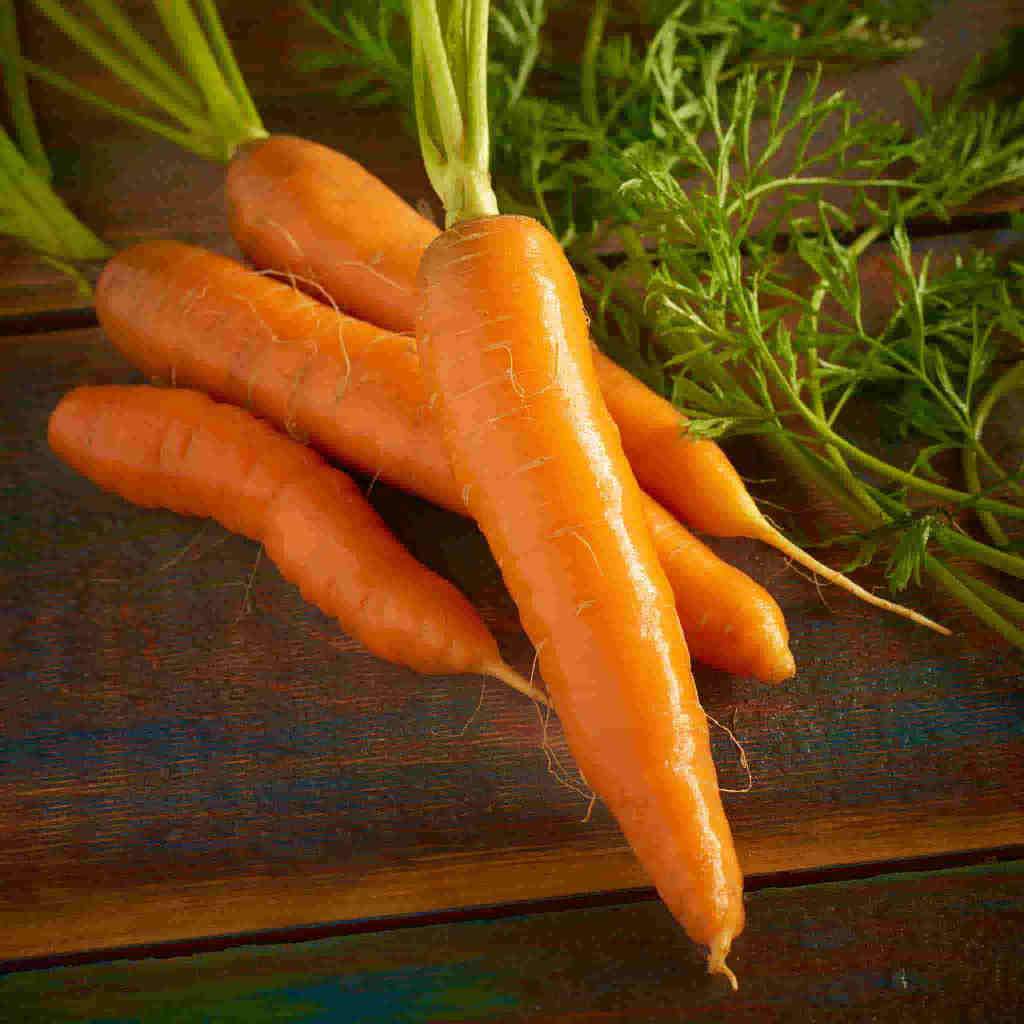
Red Cored Chantenay produces crunchy, sweet carrots that are excellent for dicing.
Roots grow to be a reddish-orange with an indistinct core. This variety produces shorter and thicker carrots that grow to about 14 cm (5 1/2") long when mature. A healthy choice, carrots contain more vitamin A than any other vegetable and when raw, they provide important dietary fibre.
Please Note: Seed Tapes require consistent moisture to ensure best germination.
- SKU: 139834
- Common Name: Carrot
- Botanical Name: Daucus carota subsp. sativus
Safe
for Bees
Good For Pollinators
Grows
Best In:
Days to
Germination:
Water
Needs:
Days to
Maturity:
- Plant Type: Vegetable
- Plant Lifecycle: Annual (plant every year)
- Seed Type: Heirloom
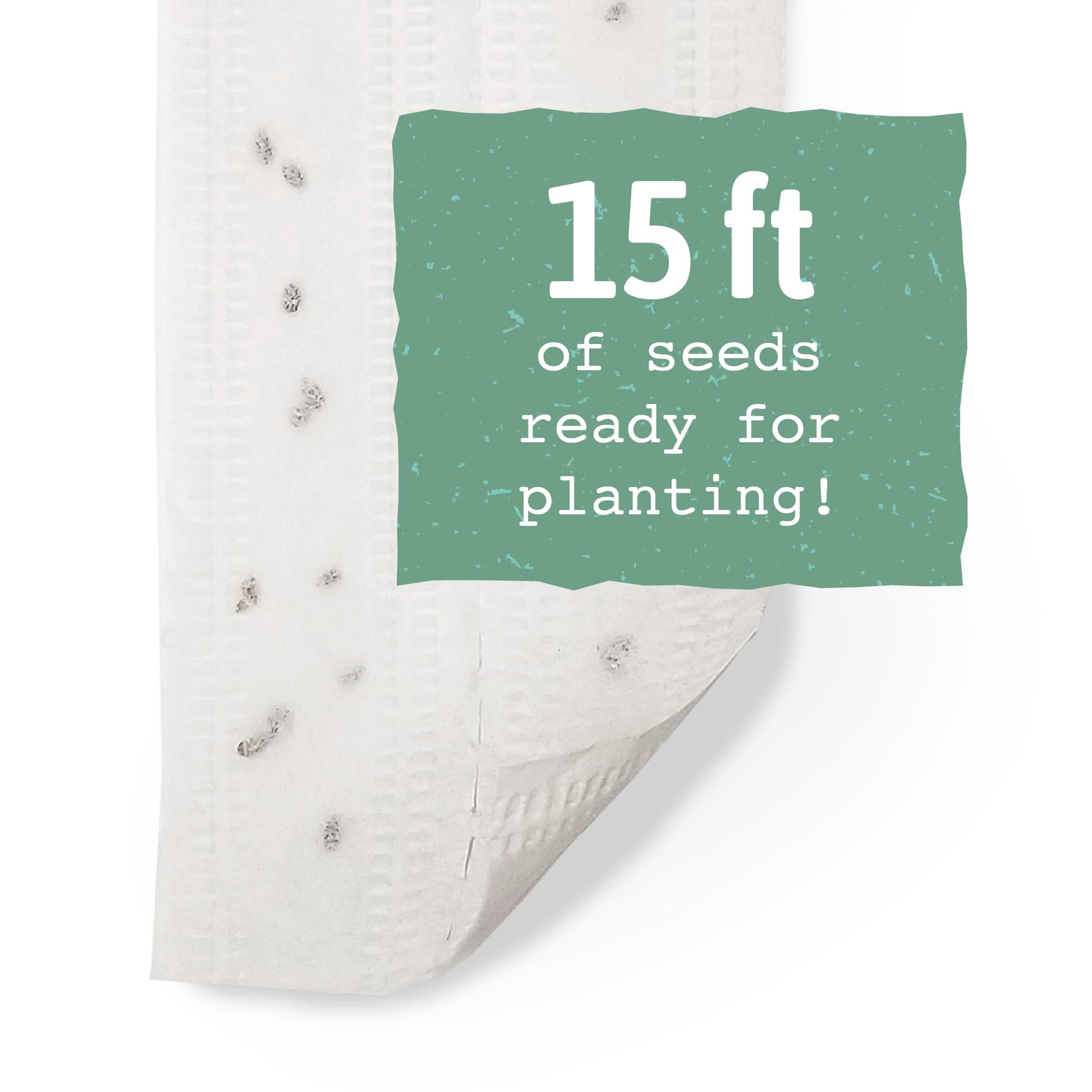
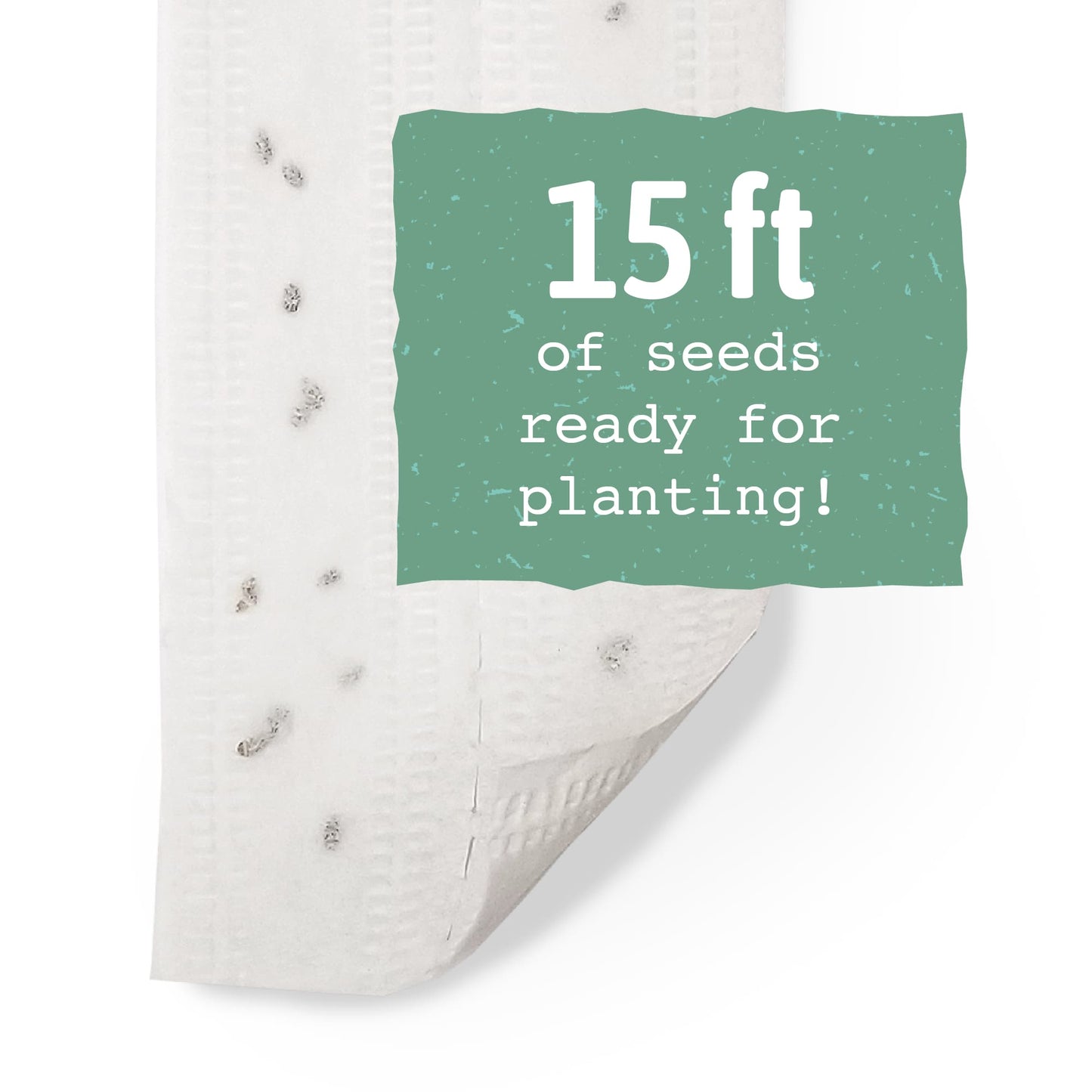
- Fill Weight (grams): 4.5 meters (15 feet)
- Approximate Seed Count: 550+
- Characteristics: Attracts bees and butterflies
- Planting Method: Direct Sow
- Colour: Orange
- Water Needs: Average 2.5-5 cm (1-2 in.) per week
- Landscape Use: Edible Garden
- Growth Habit: Root
- Tolerance: Heavy soil
- Companion Planting: Onion, leek and herbs such as rosemary and sage act as a repellent to the carrot fly. Chives improve the growth and flavor of carrots and deter aphids, mites, and flies.
- Flavour: Sweet and crunchy
- Preparation Ideas: Clean, peel and slice carrots. Bring 3 cm (1 in.) of salted water to boil in a saucepan. Add the carrot slices. Return to boil, then reduce the heat and cover the pan. Cook until just tender, but not soft. This will take about 10-15 minutes. Drain and eat hot. For extra flavor add salt, pepper and butter.
-
Growing Instructions:
- Planting Depth: Make shallow rows 13 mm (1/2in.) Deep and 30 cm (12in.) apart.
- Plant Spacing: 5 cm (2 in.)
- Instructions for Nutrient Care: Feed plants SUPERthrive once per week. Mix 1.2 ml (1/4 tsp) per 4L (1 gallon) of water in a watering can and apply solution to the base of the plants.
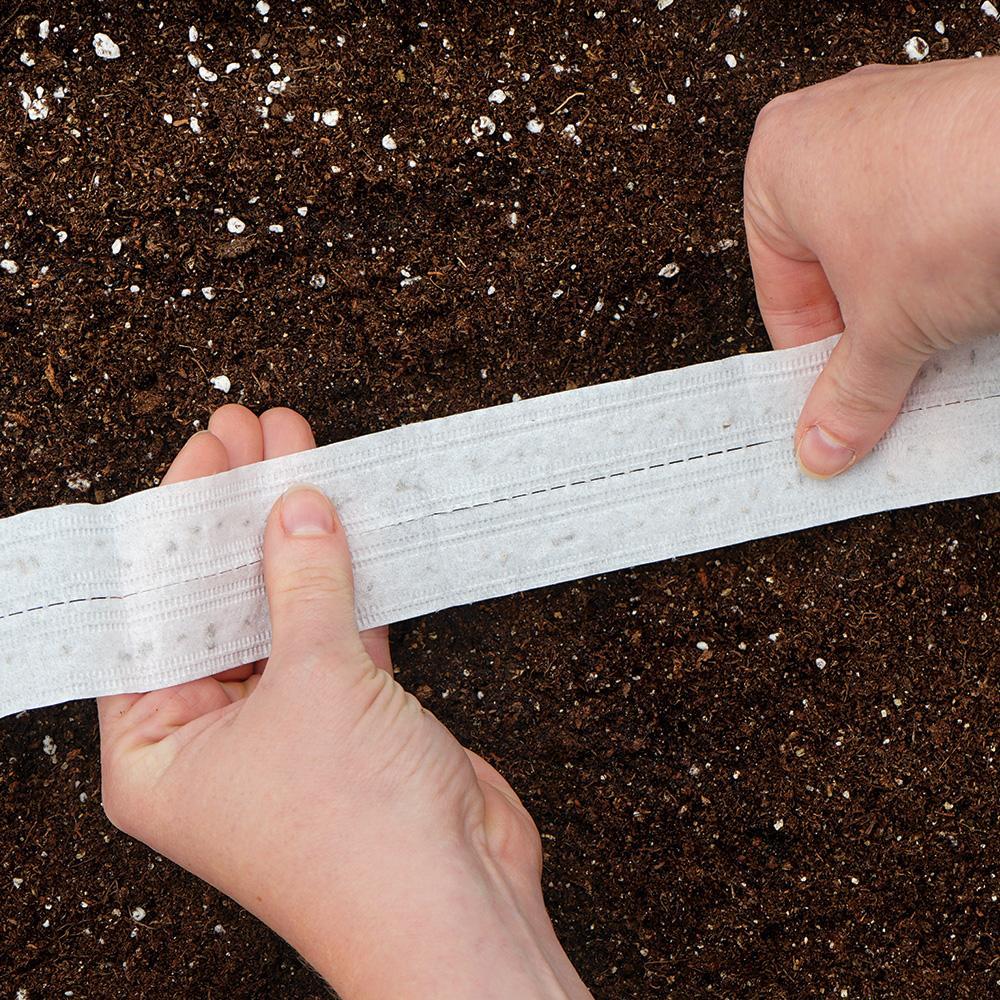
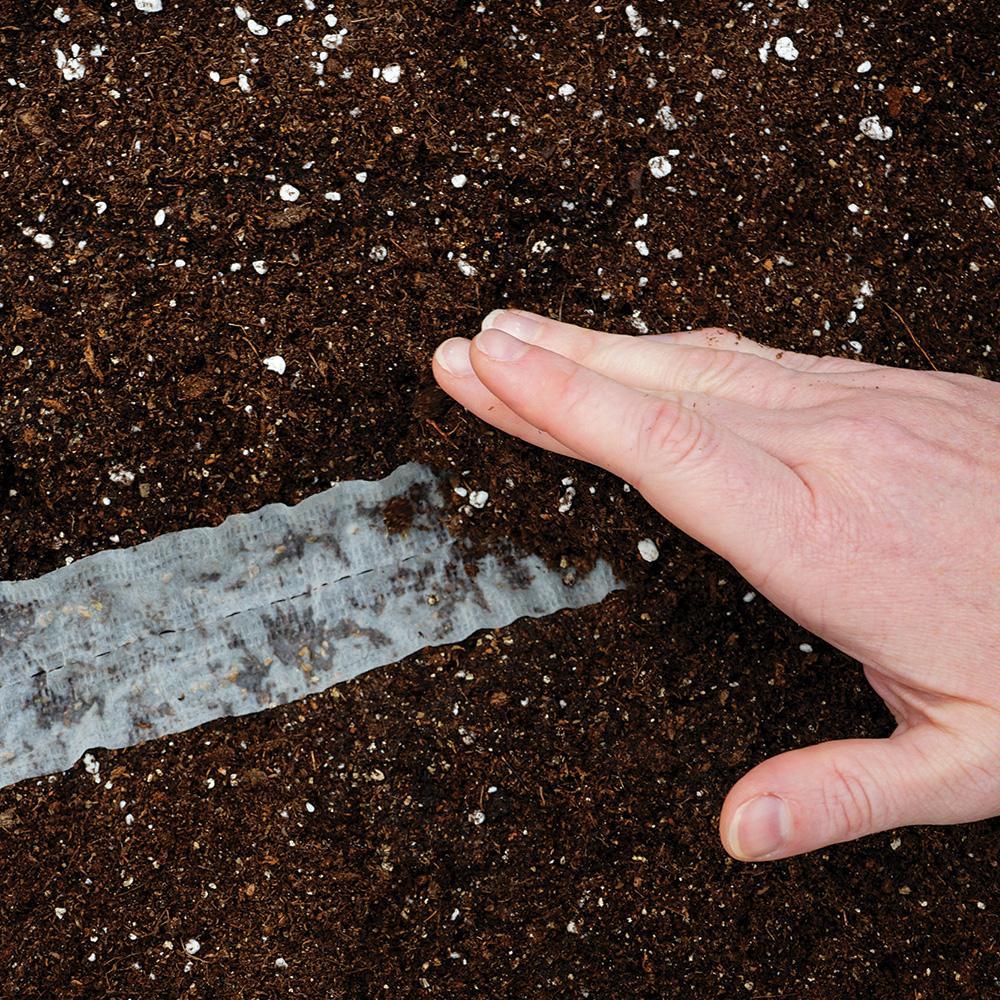
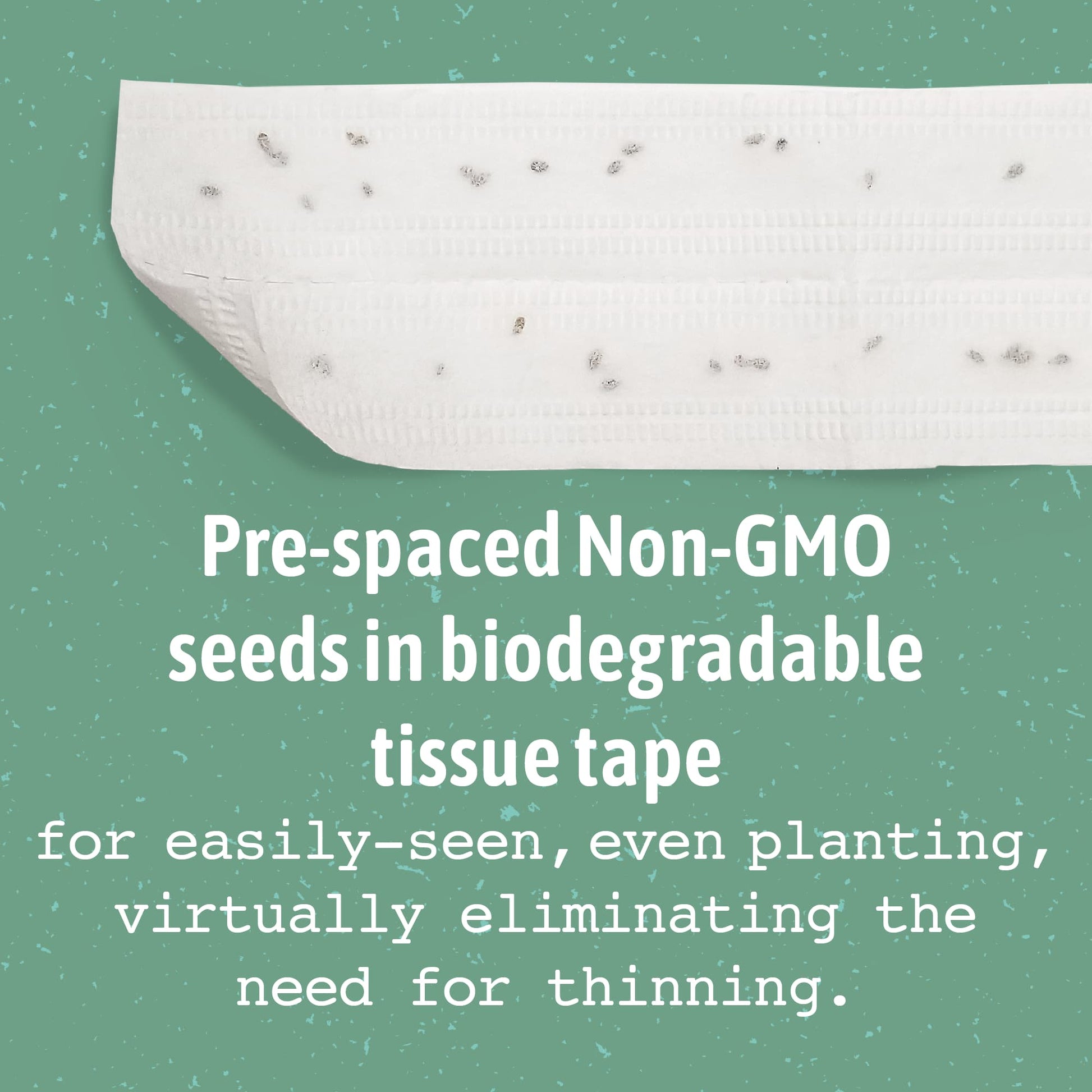
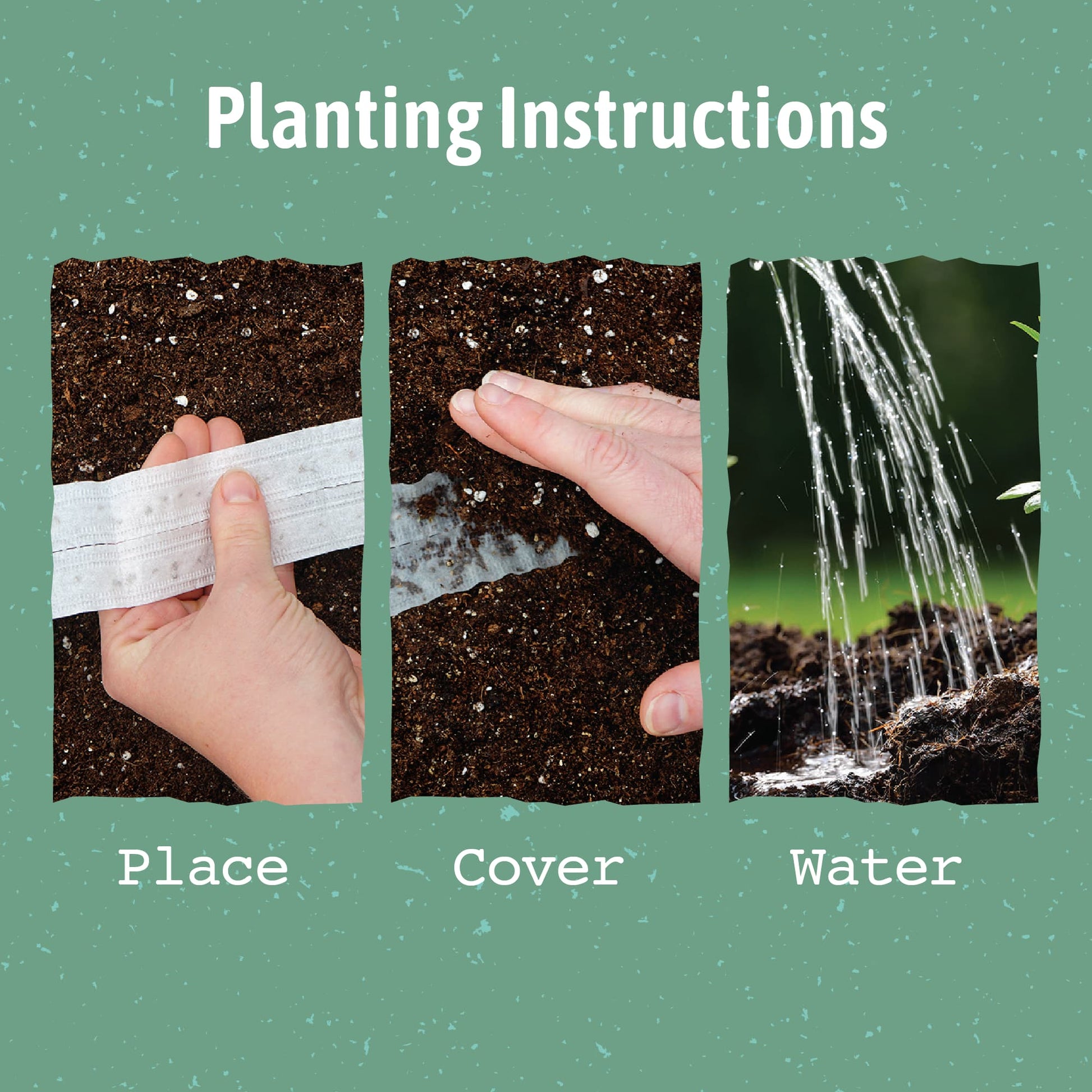
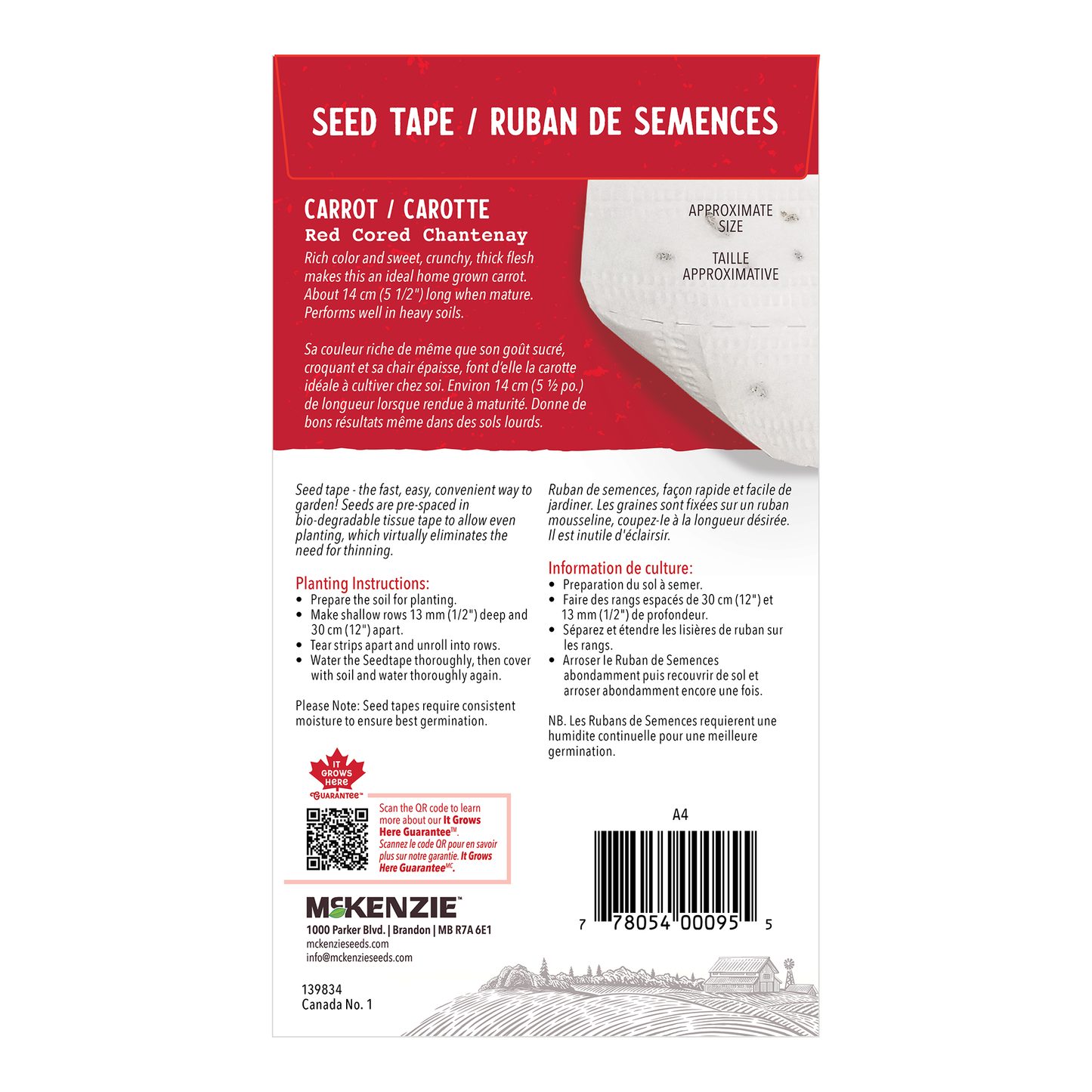
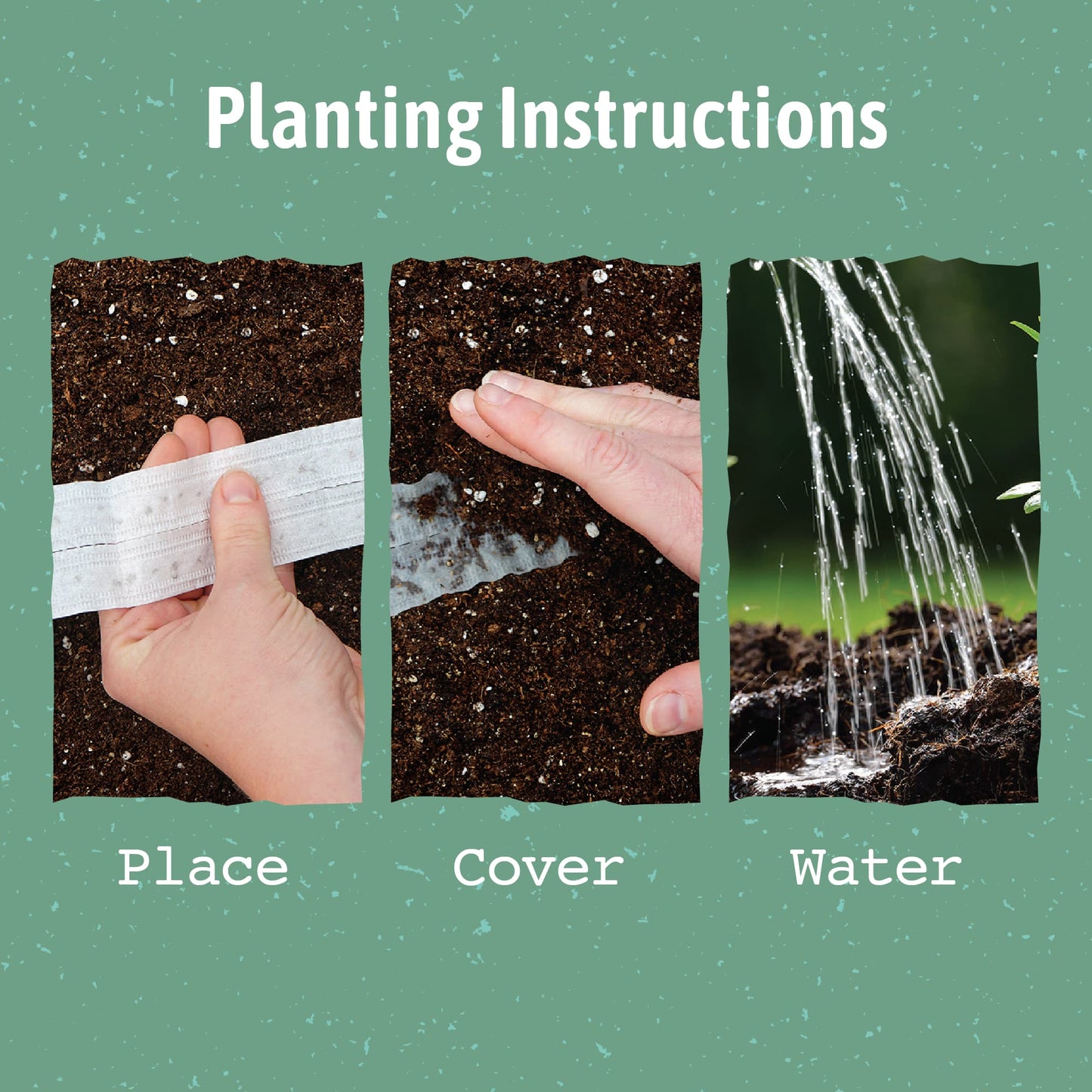
Carrot seeds should be sown directly into the garden when the soil is warm and all danger of frost is past. Optimum soil temperature (not air temperature) should be 7-29°C (45-84°F) for seeds to germinate. Planting at a lower temperature will delay germination. Prepare the soil for planting. Make shallow rows 13 mm (1/2 in.) deep and 30 cm (12 in.) apart. Tear strips apart and unroll into rows. Water the Seedtape thoroughly, then cover with 6 mm (1/4 in.) of soil and water thoroughly again. It is critical to keep the soil consistently moist, but not soggy during germination. Do not allow the soil to become dry, as young plants have underdeveloped roots and can quickly dehydrate, particularly in windy conditions. Carrots grow quickly and more seeds can be succession planted every 2 to 3 weeks until mid-July for a continuous supply of carrots.
- Carrots grow quickly and more seeds can be succession planted every 2 to 3 weeks until mid-July for a continuous supply of carrots.
- Carrots should be kept weeded (a clean mulch can reduce this job). Cover exposed roots (shoulders) with soil to prevent cracking and turning green. Important Note: The main reasons carrot seed fails to germinate is due to cool soil, damping off, crusty soil, and inconsistent moisture.
- Your soil must remain consistently moist while waiting for the carrot seeds to sprout, which can take 1-3 weeks. If the soil becomes dry and a crust forms, it will hinder the emergence of seedlings. Seeds need air and moisture to sprout. After planting the seed and watering, try covering the row with a board or jute bag to retain moisture and keep the soil from crusting.
- Planting in soil that is stony, gravelly, shallow, clay or compacted can result in low seed germination and stunted, deformed (forked) carrots. Carrots grow best in a light, loamy soil high in organic matter. The best way to ensure successful seed germination is to plant in well-cultivated, loose soil that is evenly moist.
- While carrots can tolerate some shade, they thrive and develop their sweet, crunchy flavor when grown in full sunlight.
- Overwatering or heavy rainfall can cause roots to become forked, particularly if this happens within the first few weeks after sowing. Fluctuations in moisture levels can also lead to cracking.
- For best flavor, harvest carrots when roots are not more than 5 cm (2 in) in diameter.

Carrot, Red Cored Chantenay Seed Tape
Register to receive a notification when this item comes back in stock.
Thanks! We'll let you know when this item is back in stock.
You may also like
Join our rewards program today to start saving!
Free Shipping on orders over $35
There are a ton of ways to earn!